Tom’s Story
Childhood and his father
Thomas Whigham’s early life was shaped by loss, upheaval, and an ability to achieve amid difficult circumstances. His father died when Tom was four, leaving a grief he would revisit throughout his life. He remembers himself as a wild, explosive child whose behavior became more difficult after that loss. Fighting and disruption led to expulsions from several schools, while clashes with a strict stepfather added tension at home. Alongside those struggles, Tom showed considerable academic ability. He graduated from high school first in his class, two years early, and entered college at sixteen—a young man whose academic achievements coexisted with considerable emotional turmoil.
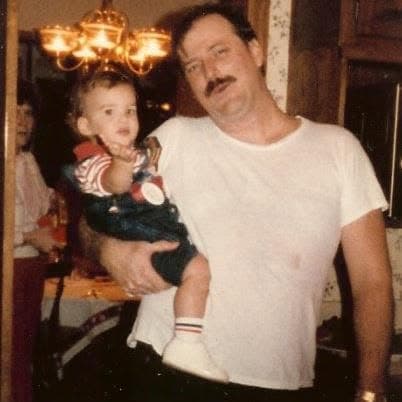
Photo 1 of 4: Tom’s father holding young Tom beneath a chandelier
Exploration and music
College was the beginning of a longer, less conventional education. Tom left after one semester and spent years traveling, hitchhiking, and moving frequently. Money was often scarce, and for a period he lived with his godmother in public housing. His interests also included music: he pursued becoming a hip-hop artist and writer, developing raps and performing his work. Completing his undergraduate degree ultimately took nine years. When he decided to finish and prepare for law school, he completed sixty-six credits in twelve months, bringing renewed determination to an education he had repeatedly interrupted.
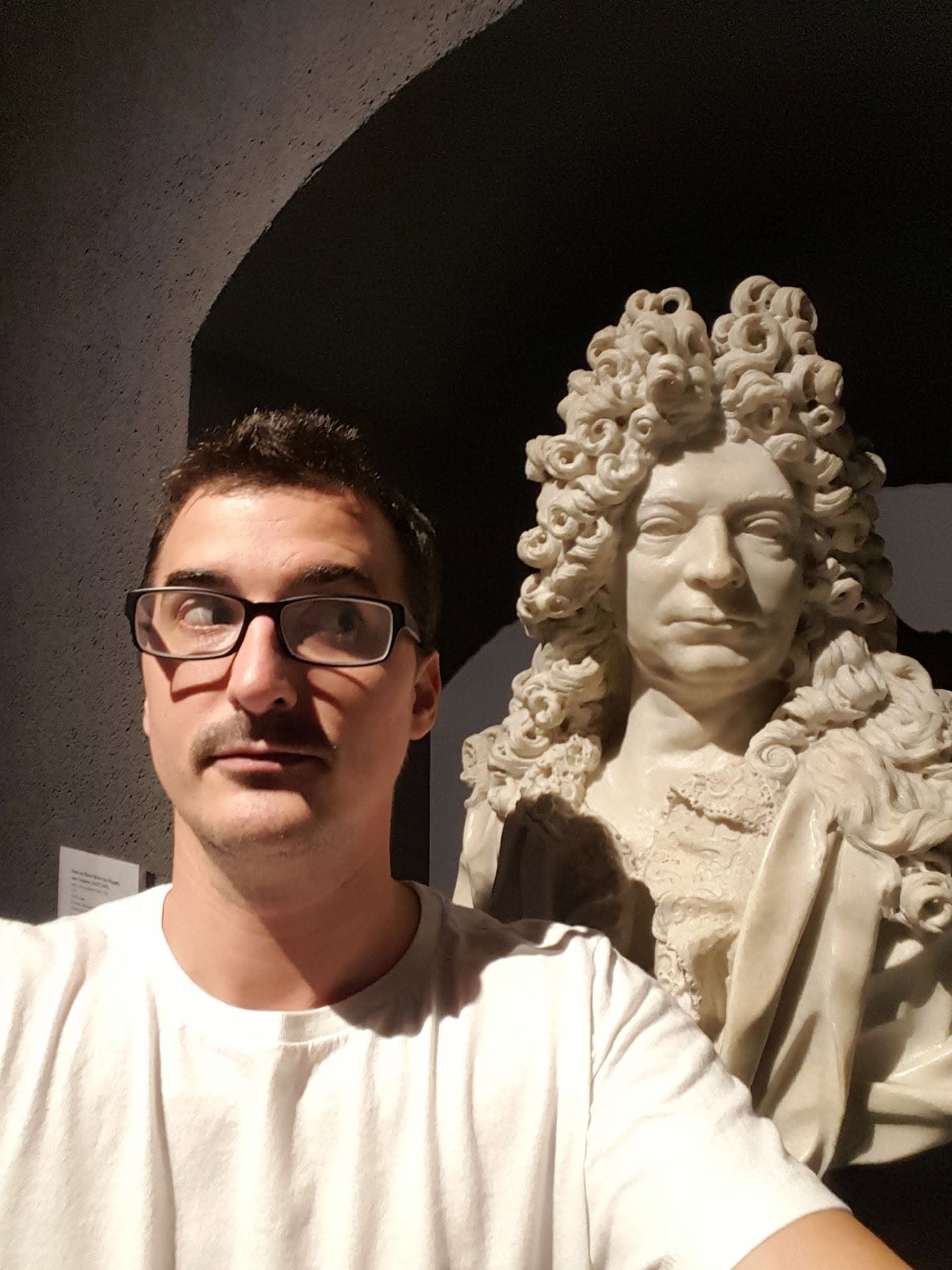
Photo 1 of 2: Tom wearing glasses beside a sculpted bust at the Musée d’Aquitaine in Bordeaux
Law and recovery
Tom went on to earn his law degree and practice as an attorney. While in law school, he helped people with disabilities, many of them women who had experienced abuse, qualify for benefits. His later legal work brought him into contact with families affected by abuse, neglect, abandonment, and divorce. These experiences deepened his exposure to human suffering and his desire to help. His own struggles with addiction and his experience of recovery also shaped that commitment. Through recovery, he came to see service to others as central to his life, while increasingly feeling that legal practice did not offer the kind of help he wanted to give.

Coaching and spirituality
After leaving law, Tom began coaching men through challenges involving dating, confidence, and relationships. His approach emphasized self-love, emotional honesty, and learning to face painful experiences. He built his practice largely through word of mouth and testimonials, finding a sense of purpose in helping people with struggles connected to his own experience. A further turning point came through what he describes as a profound spiritual connection with Neem Karoli Baba. That experience deepened his emphasis on love, devotion, and service, and influenced the direction of his teaching. His work expanded to include spiritual practice and helping people develop a more compassionate relationship with themselves.
Marriage and shared purpose
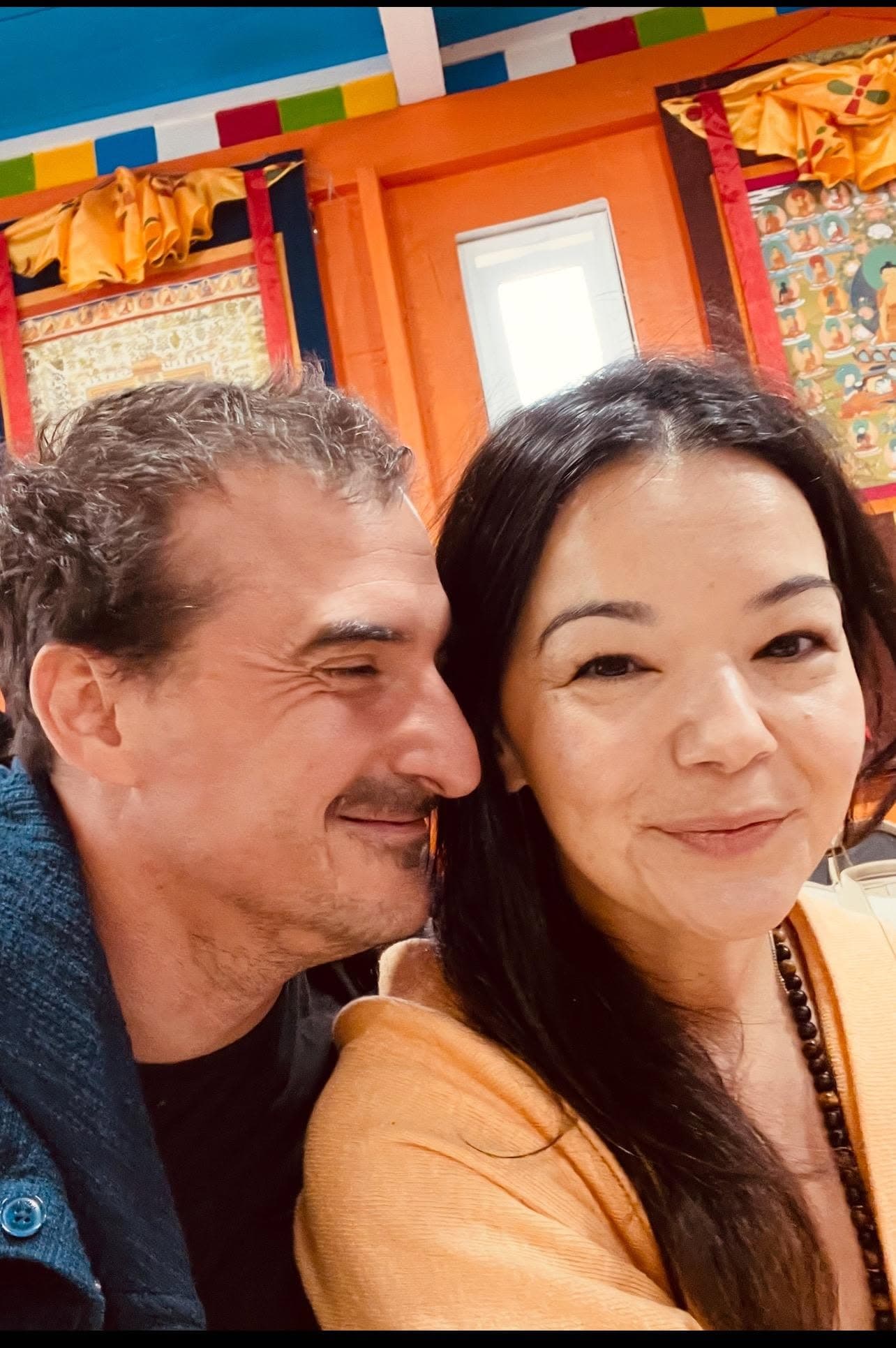
His relationship with his wife, Barine, became another important part of his life and work. Together, they have taught classes exploring intimacy, attachment, and the challenges of sustaining a loving partnership. Their collaboration brings those subjects into the center of the work they share with others. Looking back on his childhood, Tom has described how his relationship with his father’s death changed over time, moving through successive periods of pain and acceptance. Following what he calls a heart awakening, he experienced that loss as a source of compassion, gratitude, and love—qualities he now seeks to bring to his marriage, his teaching, and the people he helps.
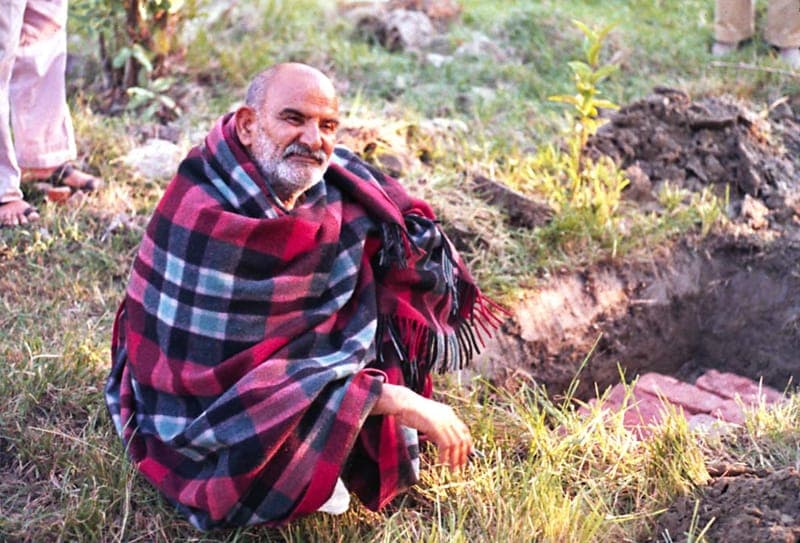
“The whole universe is our home and all residing in it belong to our family… instead of trying to see God in a particular appearance, it is better to see him in everything.”